


Most homeowners don’t think about their garage door until something goes wrong, and by then, the pressure to make a quick decision leads to some very costly common garage door mistakes. Whether you’re patching up an old door or shopping for a full replacement, understanding where people typically go wrong can save you a lot of time, money, and frustration.
Let’s walk through the five biggest areas where homeowners tend to miss the mark, and what you can do differently.
Mistake #1: Ignoring the Warning Signs Until It’s Too Late
The most expensive common garage door mistakes usually start with procrastination. A garage door gives you plenty of signals before it completely fails. Strange grinding noises, slow response times, uneven movement along the tracks, and visible rust or warping on the panels are all early warnings that something needs attention.
Most people hear that grinding noise and think, “It’s still working, so it can’t be that bad.” But a door that’s straining to open is putting extra stress on the opener motor, the springs, and the cables. What might have been a simple $150 spring replacement can turn into a $600 motor replacement if left alone long enough.
The general rule is this: if your door is making noise it didn’t used to make, or behaving differently than it did six months ago, have it looked at. Early intervention is almost always cheaper than waiting for a complete breakdown.
Mistake #2: Not Understanding the Repair vs Replace Garage Door Decision
This is arguably the most misunderstood part of the entire process. The repair vs replace garage door decision is not as simple as “fix what’s broken.” A lot of homeowners default to repair because it feels like the cheaper option in the moment, but that logic doesn’t always hold up over time.
Here’s how to think about it more clearly. If your door is under 10 to 15 years old and the damage is isolated to one component, repair is almost certainly the right call. A broken spring, a frayed cable, or a malfunctioning opener are all standard repairs that any qualified technician can handle without replacing the whole system.
However, if your door is older, has visible structural damage across multiple panels, and has already been repaired two or three times in recent years, you are likely past the point where repair makes financial sense. You are essentially paying to extend the life of a system that is already in decline. In that situation, a full replacement gives you a fresh start, better energy efficiency, improved curb appeal, and modern safety features that older doors simply don’t have.
A good technician will help you run the numbers. If a repair costs more than 50 percent of the price of a new door, replacement is usually the smarter investment. Keep that benchmark in mind before authorizing any major repair work.
Mistake #3: Underestimating the Importance of Professional Installation
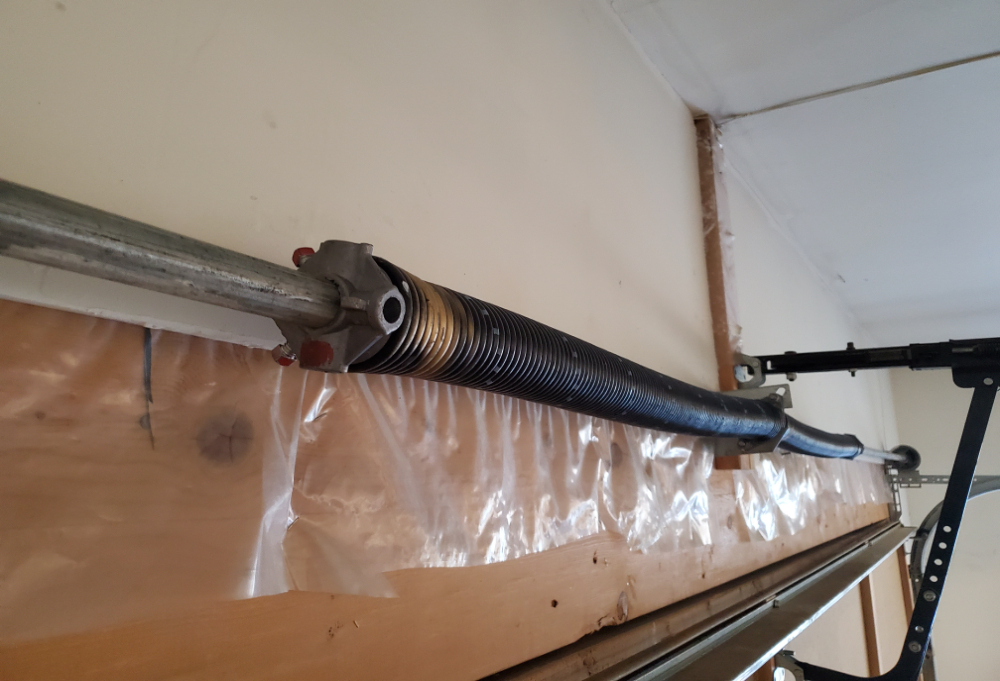
There is a reason garage door installation tips always start with the same piece of advice: don’t do it yourself unless you have specific training. Garage doors are the largest moving parts in most homes, and the spring systems that power them are under an enormous amount of tension. A torsion spring that snaps unexpectedly can cause serious injury.
Beyond the safety concerns, improper installation creates long-term problems that aren’t always immediately visible. A door that isn’t perfectly balanced will wear out its opener motor faster. A door that isn’t properly aligned with the tracks will create gaps that let in drafts, pests, and water. A door where the weatherstripping isn’t correctly seated will drive up your energy bills every month.
Good garage door installation tips from professionals consistently emphasize the value of getting the job done right the first time. The labor cost of professional installation is almost always recovered through the extended lifespan of the equipment and the avoidance of follow-up repairs.
When hiring a technician or installation company, look for proper licensing, insurance, and manufacturer certification. Ask about warranty coverage on both parts and labor. A reputable company will stand behind their work, and that guarantee is worth paying a little extra for.
Mistake #4: Choosing the Wrong Door for Your Needs and Climate
A lot of homeowners choose their garage door based almost entirely on aesthetics, which is understandable because curb appeal matters. But visual appeal is only one part of the equation. Choosing a door that isn’t suited to your local climate or your daily usage patterns is one of the more common garage door mistakes that leads to premature wear and disappointing performance.
In areas with extreme heat like Southern California’s Inland Empire, insulation value is critical. A non-insulated steel door will absorb heat and transfer it directly into your garage space, which affects anything you store inside and drives up cooling costs if the garage is attached to your home. Look for doors with a high R-value, which measures thermal resistance. For most climates, an R-value between 12 and 18 is a solid target.
Material choice also matters more than people realize. Steel doors are durable and low-maintenance but can dent. Wood doors are beautiful but require regular upkeep and don’t perform well in humid or wet conditions without proper sealing. Fiberglass and composite options offer a middle ground: they resist moisture and can mimic the look of wood without the same maintenance demands.
Think about how often you use your garage as well. If you’re opening and closing your door four or five times a day, you need a door and opener system rated for high-cycle use. Residential standard doors are typically rated for around 10,000 cycles. High-cycle doors can handle 25,000 or more, making them a much better fit for busy households.
Mistake #5: Skipping Regular Maintenance
Even the best garage door on the market will underperform if it isn’t maintained. This is one of the most overlooked garage door installation tips, because people assume that once the door is installed, the job is done. It isn’t.
Garage doors have several components that need periodic attention. The rollers, hinges, and tracks should be inspected and lubricated at least once a year. The springs should be checked for signs of wear or corrosion. The balance of the door should be tested periodically by disconnecting the opener and manually lifting the door halfway. If it stays in place, the balance is good. If it drifts up or falls down, the springs need adjustment.
The sensors near the bottom of the door tracks also need regular cleaning. Dust and debris can interfere with the signal and cause the door to reverse unexpectedly or fail to close completely. A quick wipe-down takes about two minutes and can prevent a frustrating malfunction.
Setting a reminder to do a basic garage door checkup twice a year, once in the spring and once in the fall, is a simple habit that extends the life of your system and keeps small issues from becoming expensive repairs.
Conclusion
The repair vs replace garage door question, the right material for your climate, proper installation, and consistent maintenance all come together to determine how well your garage door serves you over the years. Most of the common garage door mistakes covered here aren’t complicated to avoid. They just require a little more attention and the willingness to call a professional when the situation warrants it. Treat your garage door like the mechanical system it is, give it the care it needs, and it will reliably do its job for decades.
Need Garage Door Services Near You?
Ready to upgrade, repair, or maintain your garage door with a team you can trust? We proudly serve Shreveport and nearby areas, including parts of Texas, offering high quality garage doors, expert repairs, and personalized solutions tailored to your needs. Contact us now to schedule your service and see how our commitment to craftsmanship, reliability, and customer satisfaction sets Hometeam apart.